Neck & Back Institute · Spine

Expert spine care. Surgery only when it is right

Two fellowship-trained spine surgeons who exhaust non-operative options first and, when surgery is the answer, favor minimally invasive techniques with measured outcomes.

Request a spine consultation Call (949) 988-0000
How we work

Conservative first. Precise when it counts

01
Non-operative options first

Surgery is considered only after non-operative care has been given a fair chance.

02
Minimally invasive when surgery is needed

Smaller approaches, from cervical disc replacement to lumbar fusion, when they serve the outcome.

03
Outcomes we measure

Patient-reported disability is tracked before and after surgery with the Oswestry Disability Index.

Conditions we treat

From a stiff neck to complex deformity

We care for the full range of neck and back problems. If you are not sure which one you have, that is what the first visit is for.

Neck
Neck pain
Herniated cervical disc
Arm pain, numbness or weakness from a pinched nerve
Cervical spinal stenosis
Spinal cord compression (cervical myelopathy)
Low back
Low back pain
Herniated lumbar disc and sciatica
Lumbar spinal stenosis
Spondylolisthesis (a slipped vertebra)
Degenerative disc disease
Deformity, fracture and infection
Scoliosis and spinal deformity
Kyphosis
Vertebral compression fractures
Spinal infection
Treatments

The least treatment that solves the problem

Care moves up one step at a time, and only as far as you need. Surgery is performed at MemorialCare Orange Coast and Saddleback medical centers.

Non-operative care
Where most patients start, and where many finish.
Activity guidance and physical therapy
Medication management
Image-guided injections, coordinated with the Interventional Pain Institute
Minimally invasive and motion preserving
Smaller approaches that protect muscle and, where possible, keep the spine moving.
Cervical disc replacement
Minimally invasive spinal decompression
Kyphoplasty for compression fractures
Minimally invasive spine surgery
Fusion and reconstruction
For instability, deformity or nerve compression that simpler surgery cannot correct.
Anterior cervical discectomy and fusion
Anterior lumbar interbody fusion
Cervical and lumbar fusion
Scoliosis and deformity correction
Your surgeons

Columbia and Brown Trained

Two orthopaedic spine surgeons, each fellowship trained in spine surgery.

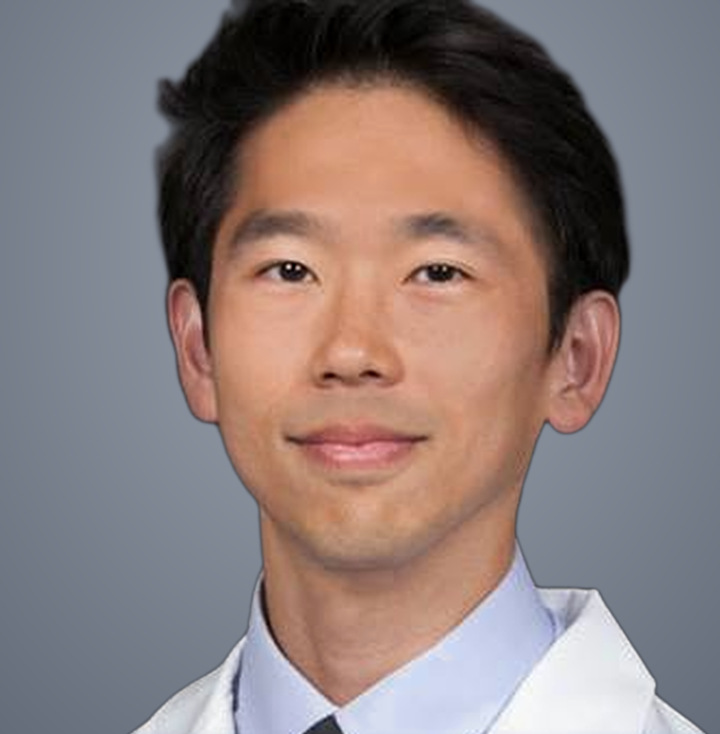
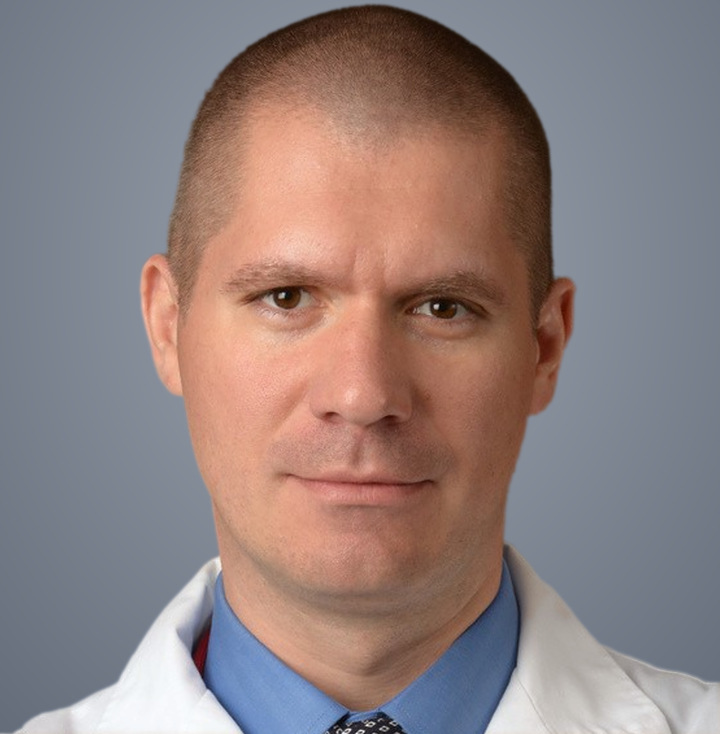
Borys Gvozdyev, MD
Neck & Back Institute
Borys Gvozdyev, MD
Orthopaedic spine surgeon · Founder
Columbia University, orthopaedic residency and Chief Resident
Norton Leatherman Spine Center, combined neurosurgical and orthopaedic spine surgery fellowship
View profile
Stephen K. Huo, MD
Neck & Back Institute
Stephen K. Huo, MD
Orthopaedic spine surgeon
Brown University, spine surgery fellowship
UC Irvine, orthopaedic surgery residency
UCLA, Doctor of Medicine
View profile
What to expect

Your care, step by step

01
Your first visit

Your surgeon takes your history, examines you and reviews any imaging you bring. Expect a conversation, not a sales pitch.

02
A clear diagnosis

We show you your images and explain in plain language what is causing the pain and what is not.

03
A plan that starts conservatively

Most plans begin with non-operative care. We tell you what to try, for how long, and what would change the plan.

04
Surgery, if it is right

If surgery is the best answer, you will know why, what the alternatives are and what recovery involves. We follow you afterward and track your results.

Outcomes and research

Measured, not promised

We track patient-reported disability before and after spine surgery with the Oswestry Disability Index (ODI), and our surgeons lead clinical research on how to make spine surgery safer and more predictable.

Research led
Protocols to reduce infection after elective spine surgery
Patient-reported outcomes after surgery for degenerative spinal conditions
Fusion-level selection in adolescent idiopathic scoliosis
When to see a spine specialist

Signs it is time to be seen

Neck or back pain that has lasted more than a few weeks
Pain that travels down an arm or a leg
Numbness, tingling or weakness in a hand, arm, leg or foot
Trouble with balance, walking or fine hand movements
Pain that returned after earlier treatment or surgery
You were told you need surgery and want a second opinion
Go to an emergency room or call 911
Loss of bladder or bowel control, numbness in the groin or inner thighs, or sudden weakness in the legs needs emergency care right away.
Common questions

Answers before you ask

Will I need surgery?
Most people with neck or back pain do not. We consider surgery only after non-operative care has had a fair chance, or when a nerve or the spinal cord is compressed in a way that will not improve without it.
What is minimally invasive spine surgery?
Surgery performed through smaller incisions with less disruption of muscle. It is not right for every problem, and we use it when it serves the result.
Disc replacement or fusion?
A disc replacement keeps motion at the treated level. A fusion joins two vertebrae so they heal as one. Which is appropriate depends on your anatomy and diagnosis.
What should I bring to my first visit?
Any imaging you have (MRI, CT or X-rays) with the reports, a list of your medications, and records of earlier treatment or surgery.

Start with a conversation

Bring your imaging and your questions. We will tell you plainly what we would do, and what we would not.

Request an appointment