Fellowships · Advanced training

Advanced training, taught one to one

OC Care Alliance offers two clinical fellowships: Advanced Minimally Invasive Spine Surgery and Interventional Pain Management. Each pairs a fellow directly with attending physicians. Every fellow also has the rare opportunity to rotate through all three institutes, spine, orthopaedics and pain management, adding breadth to a deeply focused year of training.

How to apply See the two programs
2
clinical fellowships
3
institutes on every fellow’s rotation
1 to 1
with attending physicians
The programs

Two fellowships. One standard

Both programs teach current, evidence-based technique: what the literature supports, how to select the right patient, and how to measure whether the treatment worked.

Advanced Minimally Invasive Spine Surgery

Neck & Back Institute

A surgical fellowship in modern spine care, from motion preservation and minimally invasive technique to complex reconstruction. Equal weight goes to judgment: who is helped by surgery, and who is better served without it.

Who can apply
Board-certified or board-eligible graduates of an orthopaedic surgery or neurological surgery residency.
Training covers
Minimally invasive decompression and fusion
Cervical disc replacement and motion preservation
Cervical and lumbar fusion
Scoliosis and spinal deformity
Kyphoplasty
Non-operative care and patient selection
Outcome tracking and research
Program Directors: Borys Gvozdyev, MD and Stephen K. Huo, MD

Interventional Pain Management

Interventional Pain Institute

A procedural fellowship in image-guided pain care, grounded in physical medicine and rehabilitation. The goal taught is function: helping patients sleep, walk and work with less pain.

Who can apply
Board-certified or board-eligible graduates of a residency in anesthesiology, physical medicine and rehabilitation, psychiatry, neurology, emergency medicine, radiology or family medicine.
Training covers
Image-guided nerve blocks
Epidural steroid injections
Radiofrequency ablation
Sacroiliac joint pain
Spinal cord stimulation
Physical medicine and rehabilitation
Pain care before, instead of, or after surgery
Program Director: Howard Dedes, MD
How fellows train

Mentorship, evidence and measured results

A fellowship year should end with a physician who is ready to practice alone. Every part of the training is built toward that.

01
Direct mentorship
Fellows work alongside attending physicians in clinic and in the operating or procedure room, one to one, on every case.
02
Graduated responsibility
Responsibility grows as skill is demonstrated, from assisting, to performing key steps, to leading cases with the attending at the table.
03
Evidence first
Technique and indications are taught from the published literature. Fellows learn to read it critically and to explain the evidence to patients.
04
Rotations through all three institutes
Fellows rotate through the Neck & Back Institute, the Orthopaedic Institute and the Interventional Pain Institute, so they see how surgical and non-surgical care fit together for the same patient.
05
Outcomes and research
We track patient-reported outcomes before and after treatment. Every fellow takes part in clinical research during the fellowship through the Institute’s Center for Clinical Research.
06
Ready for independent practice
Seeing three specialties work on the same patients, in one office, is what makes a fellow well rounded and ready to practice independently.
Program directors

Columbia, Brown, Harvard and UCLA Trained

Fellows learn directly from the physicians who lead each institute.

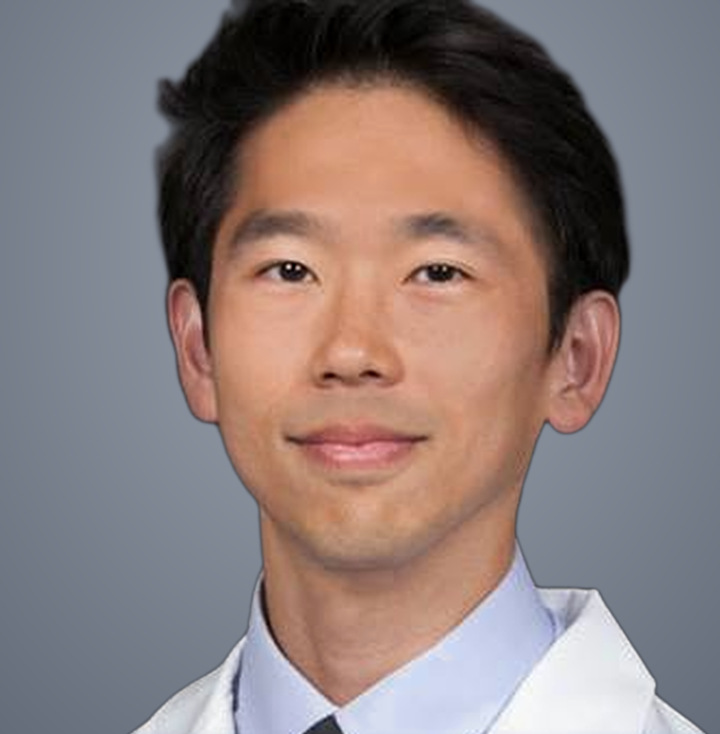
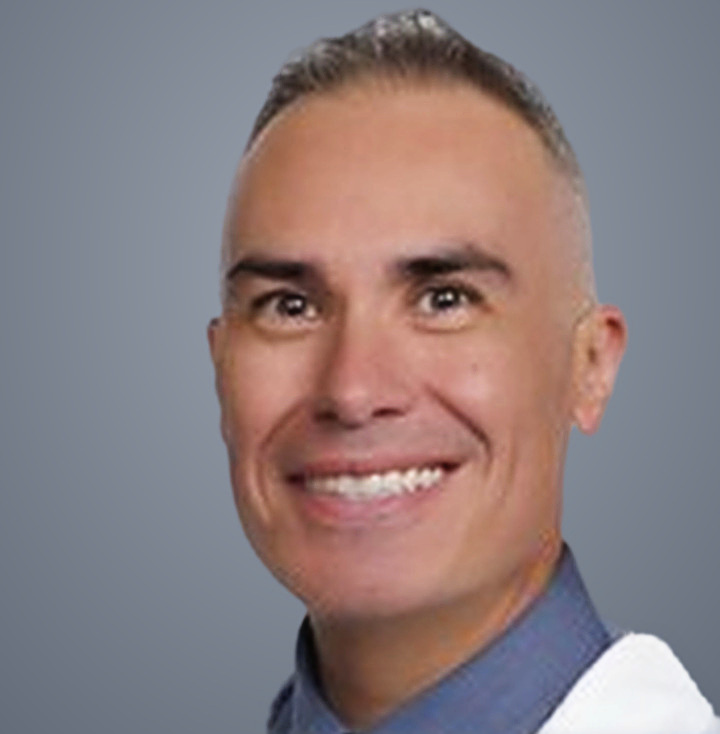
Borys Gvozdyev, MD
Neck & Back Institute
Borys Gvozdyev, MD
Orthopaedic spine surgeon · Founder
Columbia University, orthopaedic residency and Chief Resident
Norton Leatherman Spine Center, combined neurosurgical and orthopaedic spine surgery fellowship
View profile
Stephen K. Huo, MD
Neck & Back Institute
Stephen K. Huo, MD
Orthopaedic spine surgeon
Brown University, spine surgery fellowship
UC Irvine, orthopaedic surgery residency
UCLA, Doctor of Medicine
View profile
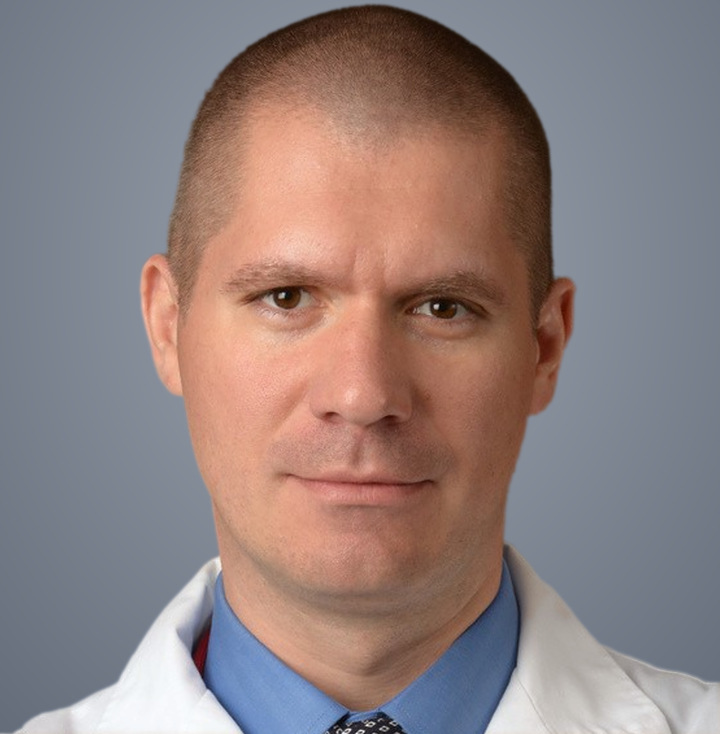
Howard Dedes, MD
Interventional Pain Institute
Howard Dedes, MD
Interventional pain management
Harvard, interventional pain medicine fellowship
UCLA, physical medicine and rehabilitation residency
U.S. Navy, hospital corpsman, 1993 to 1997
View profile
How to apply

Tell us about your training

Email our program coordinator for the details of each program. Applications are reviewed by the program directors, and selected applicants are invited to interview and to spend time in clinic with the team.

01
Email the program coordinator
Use the buttons on this page and name the fellowship you are applying to in the subject line. The coordinator replies with the program details and where to send your application.
02
Send your application
Your curriculum vitae, personal statement and three letters of recommendation.
03
Program director review
The program directors read every application.
04
Interview and a day in clinic
Selected applicants are invited to interview and to spend time in clinic with the team.
Send the following
Curriculum vitae
Personal statement, naming the program you are applying to
Three letters of recommendation, including one from your residency program director
Program coordinator
Start with one email
Our program coordinator will send you the program details, including length, start dates, available positions and accreditation status, and will tell you where to send your application. Choose your fellowship below and your email opens with the subject line already filled in.
Email about the spine fellowship Email about the pain fellowship